

Tips to not have stiffness after the gym | Health Is Wealth

Tips to not have stiffness after the gym

Very good, now that you have managed to overcome all the excuses that you normally make for not going to the gym , you will have discovered one of the greatest enemies of sport: shoelaces! Relax, we give you a few stunts to forestall them and, assuming you have them, how you will actually want to lighten them.
Shoelaces… why?
First of all, you should know that muscle pain that appears after working a muscle that is not used to it is normal and affects both amateur athletes and professionals who may not have that part of the body as trained. Who has not ever had sore legs? We have asked the body for an effort that it is not used to and it responds like this. It has nothing to do with having trained well (some people mistakenly think that if you don't have soreness after playing sports it's because you haven't exercised your muscles well) nor with having done it wrong. Zero drama!
Keep in mind that it is a delayed effect pain: do not get upset when you leave the gym fresh as a rose thinking that you will not have them, because they usually appear between 12 and 24 hours after training.
How long are the laces?
Calm down, that pain that you can have even at rest is not forever. It will depend on the reaction of your own body, but it can last from a few hours to a couple or three days. You do have to be alert and know how to distinguish if that discomfort is soreness or if you have it because of a possible injury, which will require treatment and medical supervision.
Where do the laces appear first?
You may think that soreness appears first in the abdomen, thighs, calves or arms, but the truth is that there is no fixed rule: soreness appears first in those muscle groups that are less trained. For example, a cyclist who one day decides to do weights will probably feel soreness in his arms, since he is not used to working that area, while after his usual session on wheels he does not feel any kind of soreness in his thighs. .
How to remove the laces?
In reality, avoiding shoelaces is practically impossible, but you can follow these tips to prevent annoying stitches and relieve them when they occur without warning:
- A good warm-up before anything else
Even the most pro athletes do a previous warm-up session to prepare before starting the activity. The muscles and joints that you are going to exercise need to get into the matter little by little, so that they understand what awaits them. For this reason and to avoid stiffness later, it is essential not to start until we have heated them.
A physical trainer or trainer will tell you in the gym which series of warm-up exercises are the most appropriate depending on what you are going to do, since in each sport you work different muscles.
- Little by little… and more every day!
If you have just started in the gym world, it is important that you start gradually and moderately. The intensity of the sports activity can be increased day by day, as you feel prepared and fitter. In this way, you will not subject your body to overexertion and you will get used to it, so that you can try new things and put into practice: “even more difficult!”.
- Estiiiiiiiiiiira before and after
One of the most frequent mistakes and the one that leads us to have soreness after playing sports is not stretching the muscles well. Both before (during the warm-up session) and after (once the physical activity is over) you should stretch the muscles involved in the exercise. It is one of the most important points to prevent or reduce soreness.
- Drink water and more water
Maintaining good hydration before, during and after exercising is super important for the benefit of muscle recovery, also preventing cramps or other injuries. The water that we lose when we do sports in the form of sweat favors muscle weakness.
For this reason, in your kit to go to the gym like a true fitness lover , never forget your bottle of water, which you can refill at the fountains in the gym facilities. Who knows? In the queues that form to drink water or refill the bottle you can meet your new crush !Very good, now that you have managed to overcome all the excuses that you normally make for not going to the gym , you will have discovered one of the greatest enemies of sport: shoelaces! Do not worry, we give you some tricks to prevent them and, if you have them, how you will be able to alleviate them.
Shoelaces… why?
First of all, you should know that muscle pain that appears after working a muscle that is not used to it is normal and affects both amateur athletes and professionals who may not have that part of the body as trained. Who has not ever had sore legs? We have asked the body for an effort that it is not used to and it responds like this. It has nothing to do with having trained well (some people mistakenly think that if you don't have soreness after playing sports it's because you haven't exercised your muscles well) nor with having done it wrong. Zero drama!
Keep in mind that it is a delayed effect pain: do not get upset when you leave the gym fresh as a rose thinking that you will not have them, because they usually appear between 12 and 24 hours after training.
How long are the laces?
Calm down, that pain that you can have even at rest is not forever. It will depend on the reaction of your own body, but it can last from a few hours to a couple or three days. You do have to be alert and know how to distinguish if that discomfort is soreness or if you have it because of a possible injury, which will require treatment and medical supervision.
Where do the laces appear first?
You may think that soreness appears first in the abdomen, thighs, calves or arms, but the truth is that there is no fixed rule: soreness appears first in those muscle groups that are less trained. For example, a cyclist who one day decides to do weights will probably feel soreness in his arms, since he is not used to working that area, while after his usual session on wheels he does not feel any kind of soreness in his thighs. .

How to remove the laces?
In reality, avoiding shoelaces is practically impossible, but you can follow these tips to prevent annoying stitches and relieve them when they occur without warning:
- A good warm-up before anything else
Even the most pro athletes do a previous warm-up session to prepare before starting the activity. The muscles and joints that you are going to exercise need to get into the matter little by little, so that they understand what awaits them. For this reason and to avoid stiffness later, it is essential not to start until we have heated them.
A physical trainer or trainer will tell you in the gym which series of warm-up exercises are the most appropriate depending on what you are going to do, since in each sport you work different muscles.
- Little by little… and more every day!
If you have just started in the gym world, it is important that you start gradually and moderately. The intensity of the sports activity can be increased day by day, as you feel prepared and fitter. In this way, you will not subject your body to overexertion and you will get used to it, so that you can try new things and put into practice: “even more difficult!”.
- Estiiiiiiiiiiira before and after
One of the most frequent mistakes and the one that leads us to have soreness after playing sports is not stretching the muscles well. Both before (during the warm-up session) and after (once the physical activity is over) you should stretch the muscles involved in the exercise. It is one of the most important points to prevent or reduce soreness.
- Drink water and more water
Maintaining good hydration before, during and after exercising is super important for the benefit of muscle recovery, also preventing cramps or other injuries. The water that we lose when we do sports in the form of sweat favors muscle weakness.
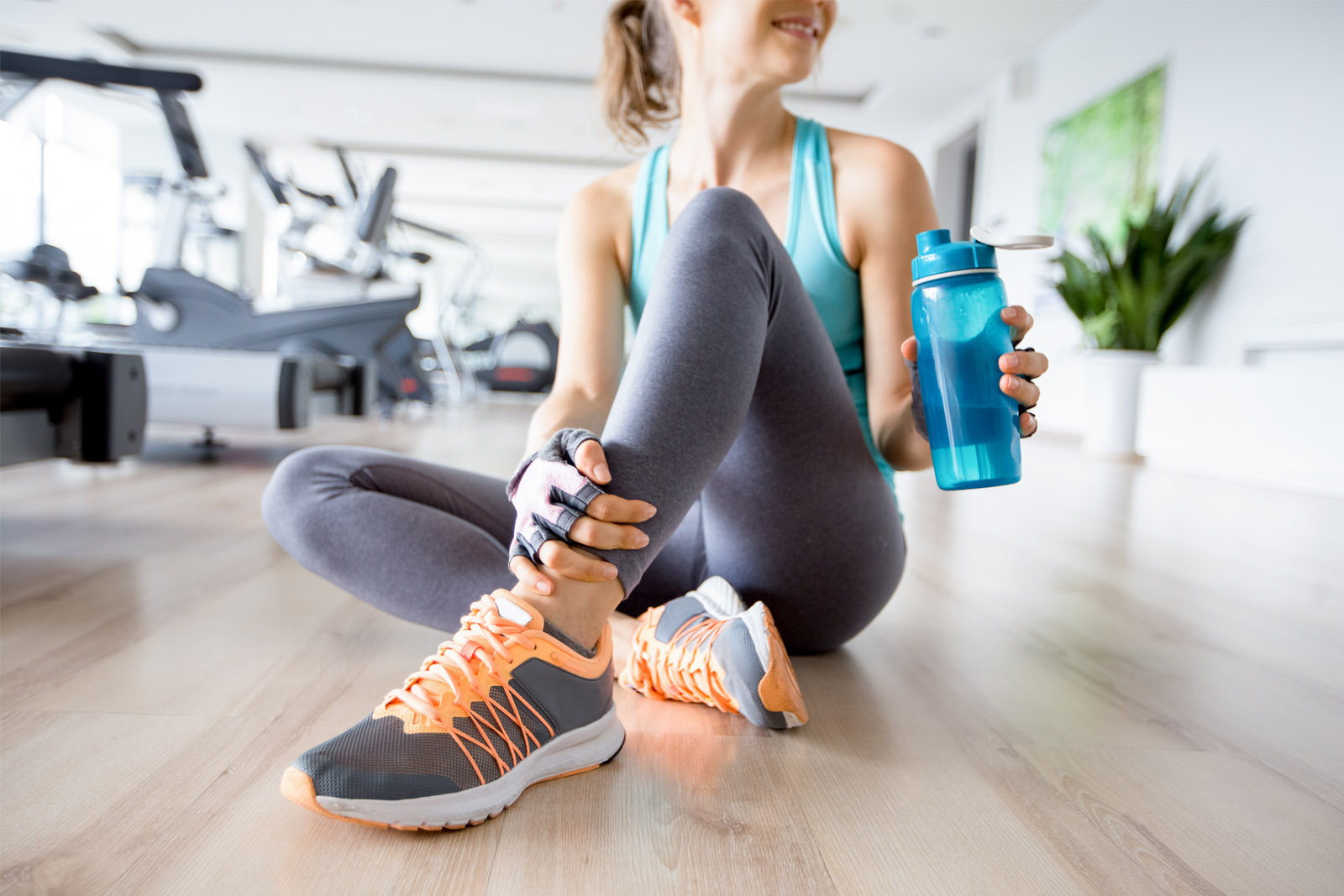
For this reason, in your kit to go to the gym like a true fitness lover , never forget your bottle of water, which you can refill at the fountains in the gym facilities. Who knows? In the queues that form to drink water or refill the bottle you can meet your new crush !
- take care of your diet
Usually when we leave the gym we feel ravenously hungry and would eat that croissant from the bakery on the corner that calls us insistently. Resist! First, because you must opt for a healthy, rich, varied and processed-free diet. Second, because since you have burned calories in the gym, it would not be a matter of recovering them all with a simple bite.
And third, because after playing sports it is important to replenish muscle glycogen with foods rich in carbohydrates, as well as essential amino acids to guarantee a good recovery. If you are wondering what to take for soreness, other foods that can help you recover tissues and muscles and relieve inflammation of soreness are, for example, those that contain Omega-3 (oily fish, nuts...), vitamins C (kiwi, strawberries, grapes, orange) and E (broccoli, spinach, cereals, avocado), etc.
- Active recovery: get moving!
Don't stand still if you want to relieve soreness! Even if it is more moderate, keep exercising, you will promote blood circulation and thus muscle and tissue recovery.
Yes, we know that at the height of your soreness you would prefer to stay on the sofa watching one episode after another of your favorite series on Netflix, but specialists agree that if you move and do not stop practicing sports, you will feel relieved sooner.
- Some more tricks to reduce soreness
- A good cold shower after the gym, which activates blood circulation.
- Massages on the affected area to reduce pain and inflammation. Take advantage and ask them to give them to you!
- Apply ice, the cold reduces inflammation and can help soothe the pain.
- If the pain is very intense and does not allow you to continue with your normal life, consult a specialist to rule out possible more serious injuries.
Finally, you should think about one thing: shoelaces can be annoying, but they are the result of having put an end to a sedentary lifestyle and having opted for a more active and healthy life. It pays off, right?
0 Comments: